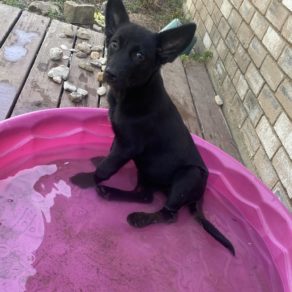
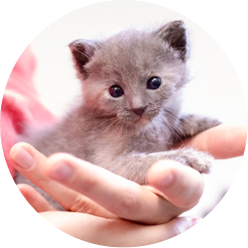
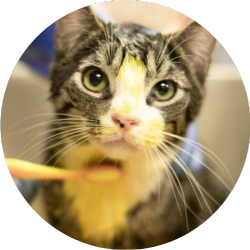
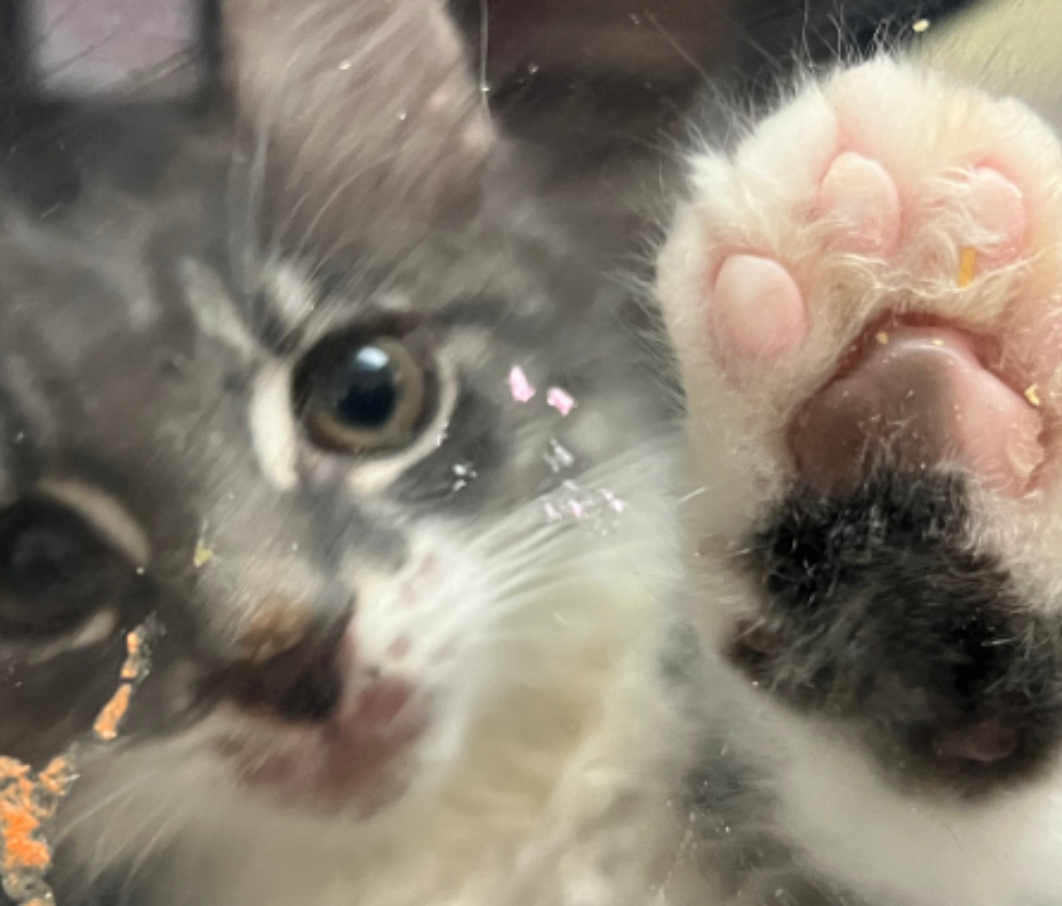
The first of its kind in the nation, Austin Pets Alive!’s Parvo Puppy ICU provides care and rehabilitation to puppies that contract parvovirus.
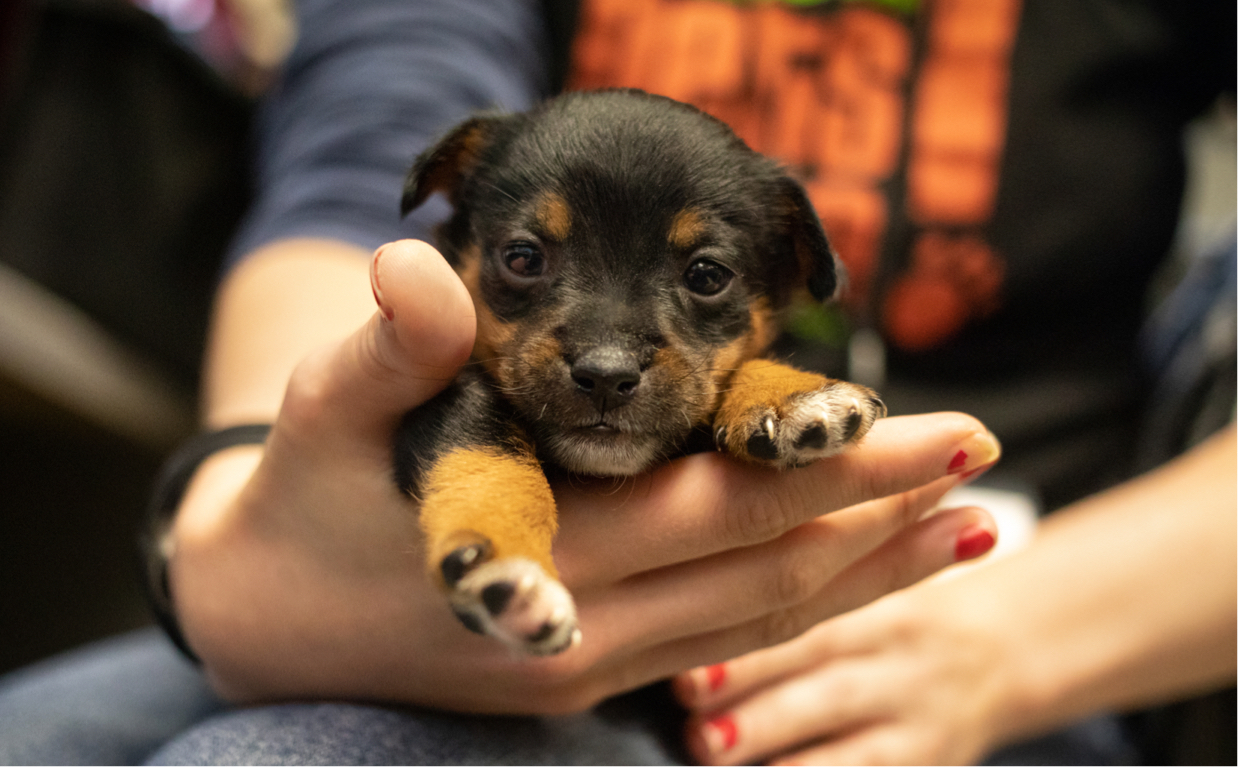
Austin Pets Alive! began saving dogs with parvovirus in 2008. Although parvo is completely preventable through proper vaccinations, when puppies do contract parvovirus we provide an alternative to euthanasia, which is what many of these vulnerable animals face at shelters across the country. Since then, we have pulled all dogs diagnosed with parvovirus from the city shelter, have been able to create a first of its kind Parvo Puppy ICU at our Town Lake Adoption Center, and have treated nearly 8,000 dogs. Before the existence of our Parvo Puppy ICU, all dogs in the Central Texas area with parvovirus, or who were suspected of having parvovirus, were euthanized immediately.
Austin Pets Alive! now provides shelters with an alternative to euthanasia for puppies that contract parvovirus and saves around 500 lives each year from all over Texas. In addition, our Parvo Puppy ICU hosts students throughout the year to share our knowledge and provide other shelters and rescues across the country with the information they need to help save dogs with parvo in their own communities.
The Austin Pets Alive Parvo Puppy ICU can only legally treat the puppies that surrendered to our custody from partnering shelters. If your puppy is exhibiting symptoms of parvo, please submit the form below. *We offer $20 parvo testing and at home parvo treatment for $150 if your dog is deemed stable enough for that option.*
1,300+ puppies with parvovirus were saved in 2022.
The ICU is now a center for parvo research treatment that will someday transform vet medicine & lead to thousands more puppies saved across the country.
The Parvo Puppy ICU saved over 7,000+ since 2008 alone.
The ICU protocols we have instituted allow us to treat parvovirus at 1/10th of the cost of a private vet clinic.
Shelters all over the United States are struggling, including Austin Animal Center and us right here at Austin Pets Alive!.
See more from the blog